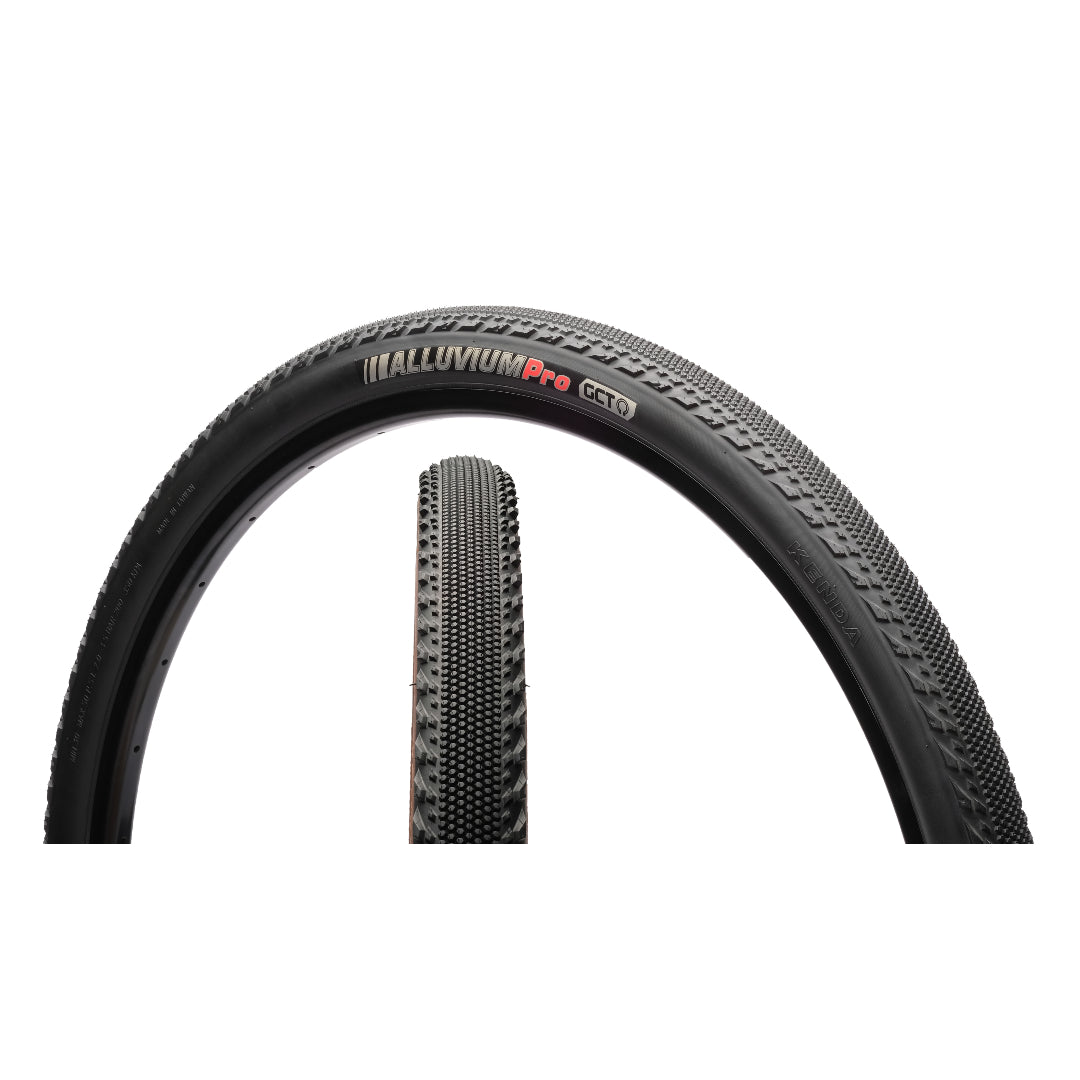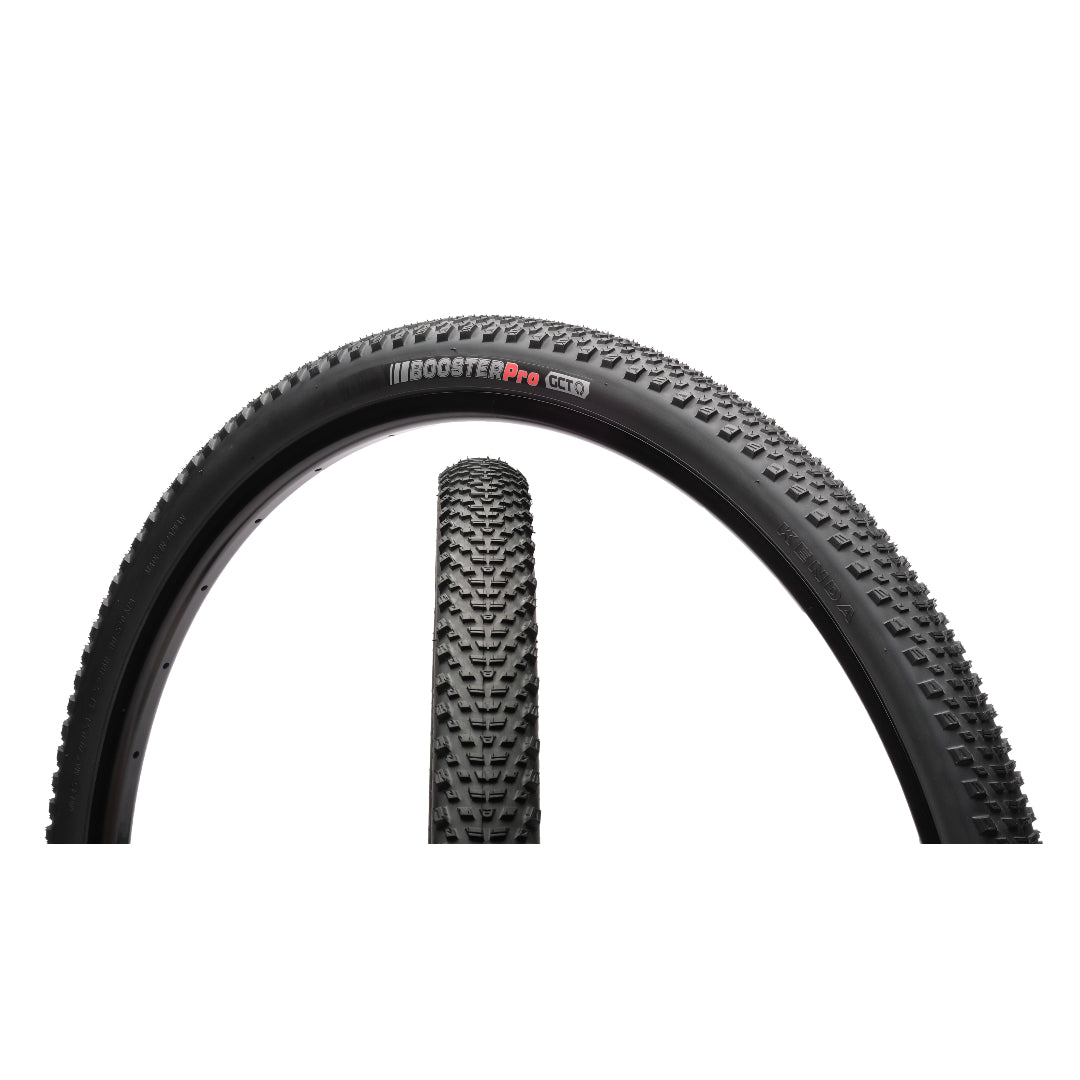




Kenda gravel bike tires Kenda gravel bike tires

GRAVEL

Kenda gravel bike tires for racing and adventure riding offer durability, speed, puncture resistance & traction in dry, loose, hard, rocky & muddy conditions.

    Filter
      6 products
      Kenda gravel bike tires
      Kenda GCT Tire Casing
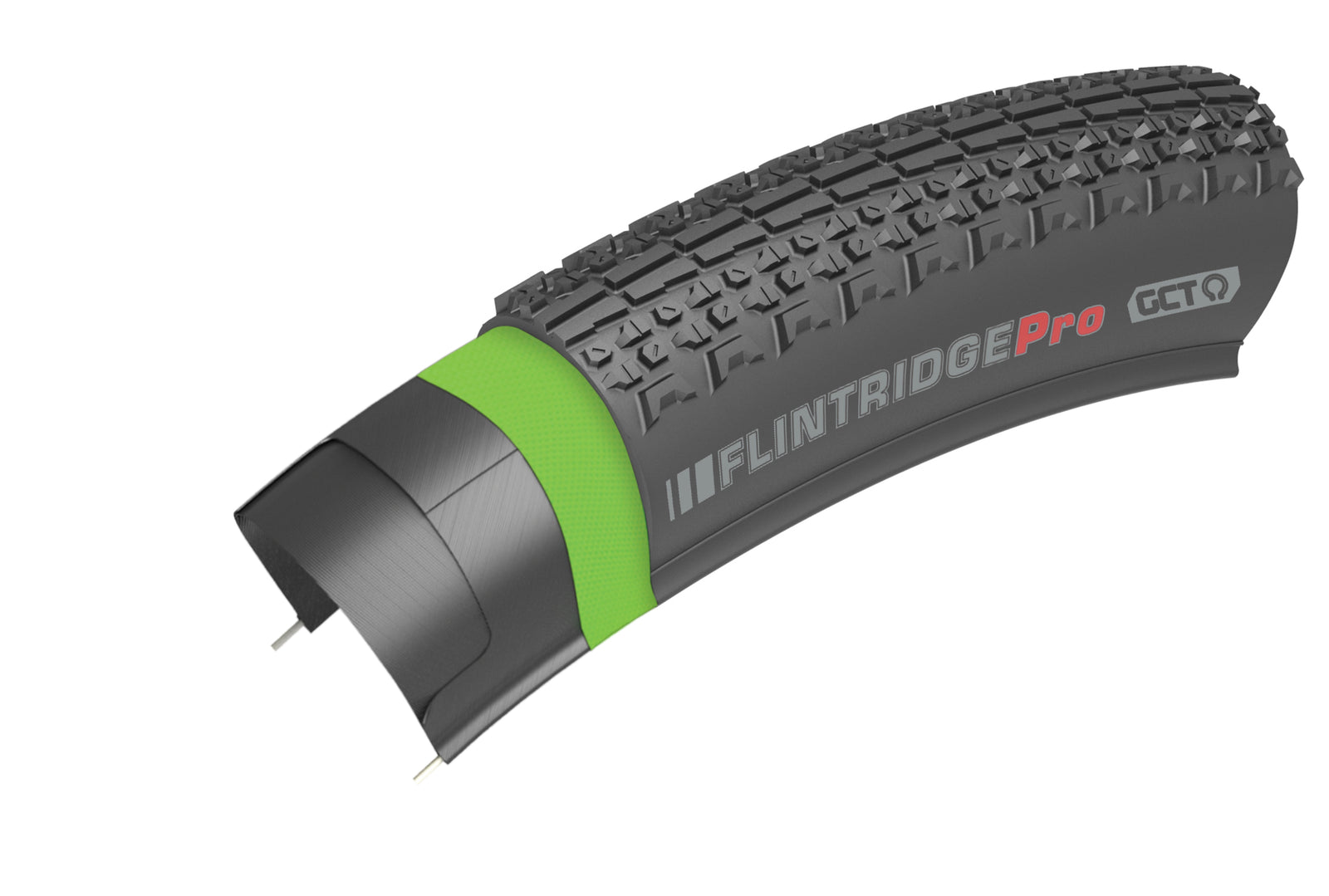
      KENDA GCT Tire Casing Cross Section Rendering

      GRAVEL CASING TECHNOLOGY

      Versatile casing with great all-round protection. 50% lighter than traditional trail puncture breakers. Tubeless ready. Intended use: All-around Cx and gravel riding

      Gravel Bike & Gravel Bike Tire FAQs

      1. What is a gravel bike?

      A gravel bike is a drop-bar bicycle designed to handle a mix of surfaces—pavement, dirt roads, gravel paths, and light trails. It combines features of road bikes (speed and efficiency) with mountain bikes (stability and tire clearance).

      2. How is a gravel bike different from a road bike?

      Gravel bikes have wider tire clearance, more relaxed geometry (for comfort and control), lower gearing for climbing loose terrain, and often mounts for racks and bags. Road bikes are built primarily for smooth pavement and speed.

      3. How is a gravel bike different from a mountain bike?

      Gravel bikes are lighter and faster on smoother surfaces, with drop handlebars and rigid frames. Mountain bikes have flat bars, suspension, and are designed for rough, technical trails rather than long mixed-surface rides.

      4. What tire width is best for gravel riding?

      Most gravel riders use tires between 35mm and 50mm wide.

      • 35–40mm: faster, better for hard-packed gravel and pavement
      • 40–45mm: balanced for mixed terrain
      • 45–50mm+: more comfort and grip on rough or loose surfaces

      5. What tire pressure should I run on gravel tires?

      Gravel tire pressure is typically lower than road bikes to improve traction and comfort.

      • Common range: 25–50 PSI depending on rider weight, tire width, and terrain

        Lower pressure = more grip and comfort, but too low can risk pinch flats or tire squirm.

      6. Are tubeless tires worth it for gravel riding?

      Yes, for most riders. Tubeless setups allow lower pressure without flats, improve traction, and can self-seal small punctures. The tradeoff is more setup effort and occasional maintenance.

      7. What tread pattern should I choose?

      It depends on terrain:

      • Smooth or slick center: faster rolling on pavement/hardpack
      • Small knobs: good all-around gravel performance
      • Aggressive knobs: better for loose, muddy, or rocky conditions

      8. Can I use a gravel bike on the road?

      Absolutely. Gravel bikes work well on pavement, especially with smoother tires. They’re slightly slower than dedicated road bikes but more comfortable for long rides.

      9. Do I need special wheels for gravel tires?

      You need wheels with enough internal width to support wider tires (typically 19–25mm internal width). Most modern gravel bikes come with compatible wheels, and many are tubeless-ready.

      10. How do I choose the right gravel tire for me?

      Consider three main factors:

      • Terrain: smooth gravel vs. chunky trails
      • Ride style: racing vs. adventure/bikepacking
      • Comfort vs. speed: wider tires = more comfort, narrower = faster

      A good starting point for most riders is a 40–45mm tubeless tire with moderate tread.