Urban / Touring
Urban / Touring






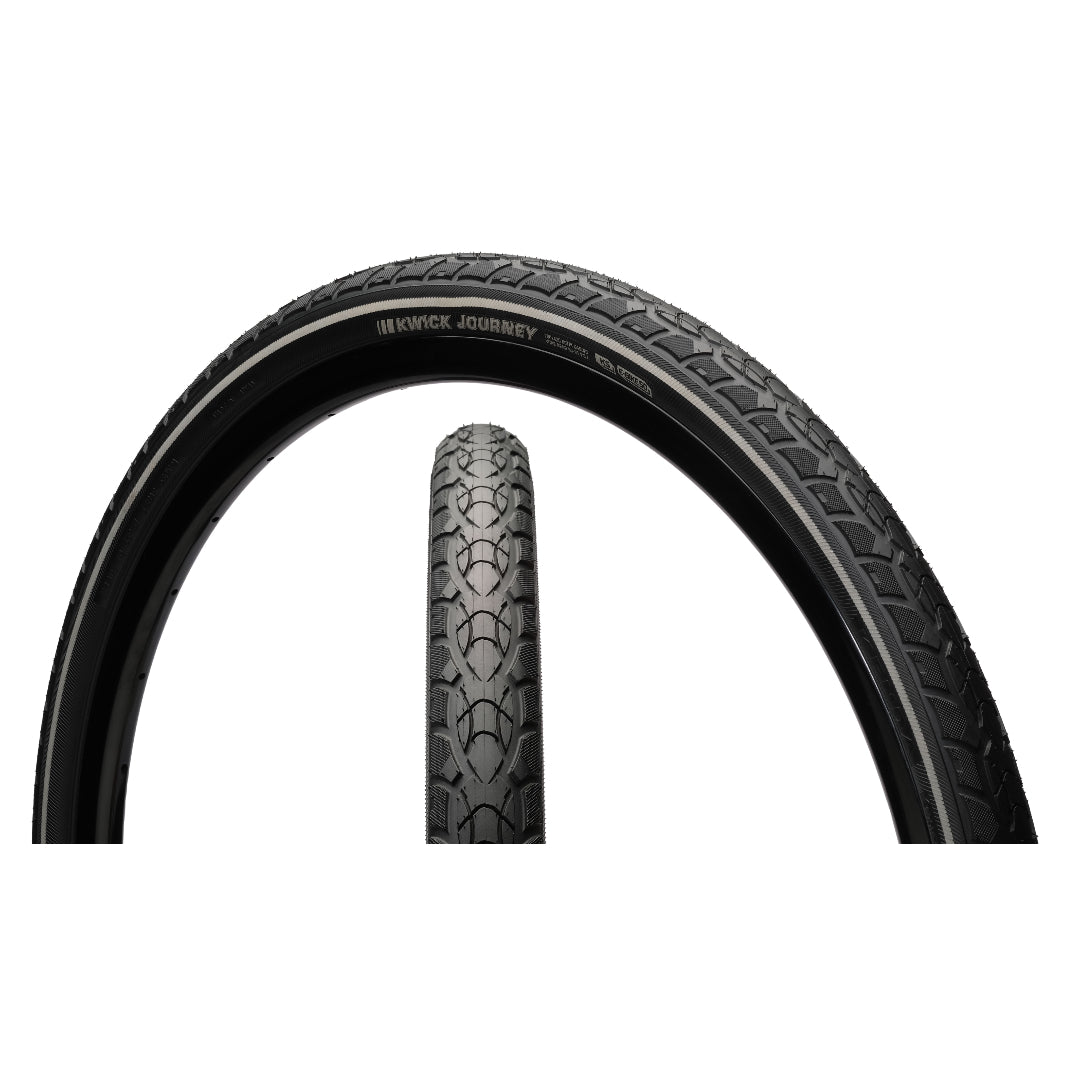
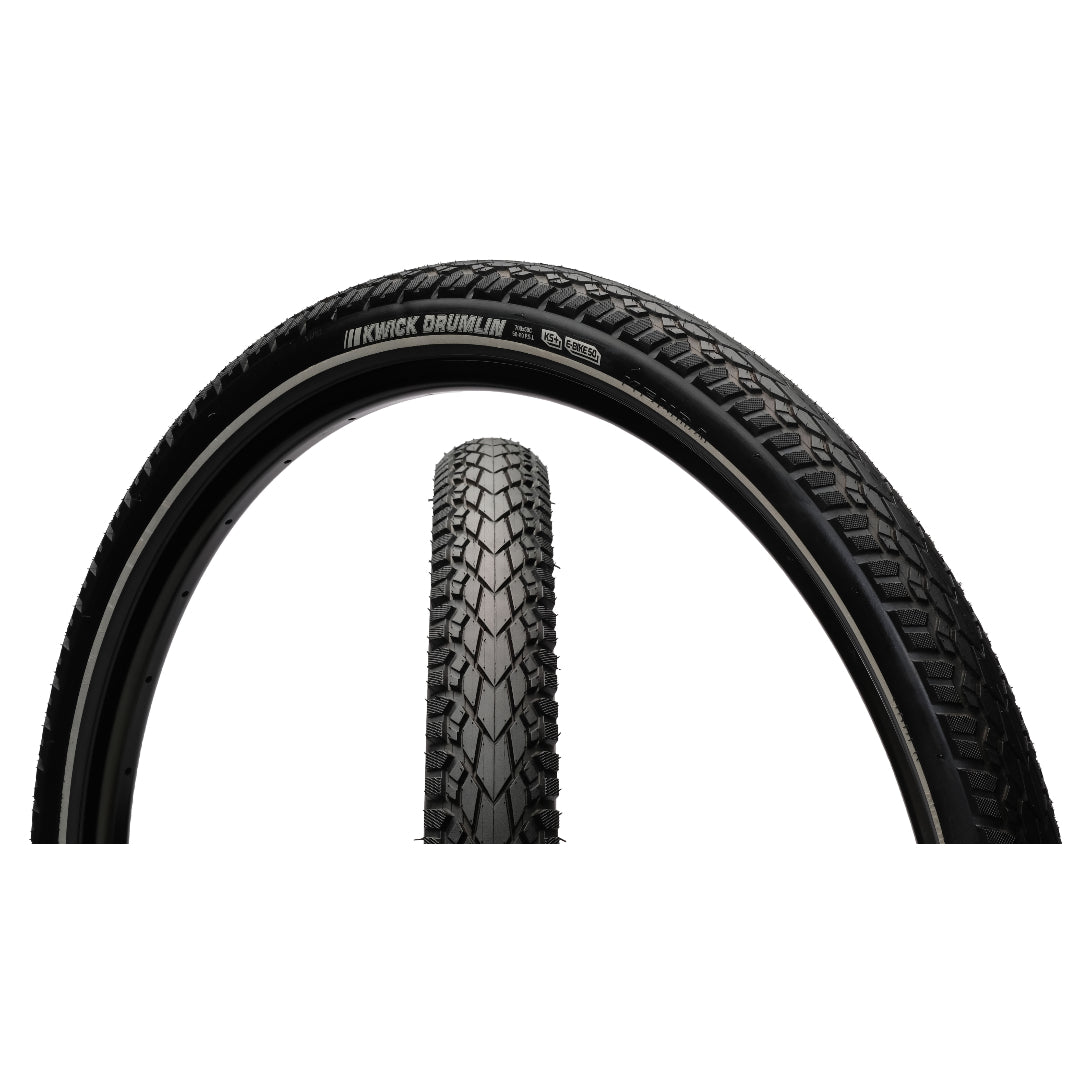
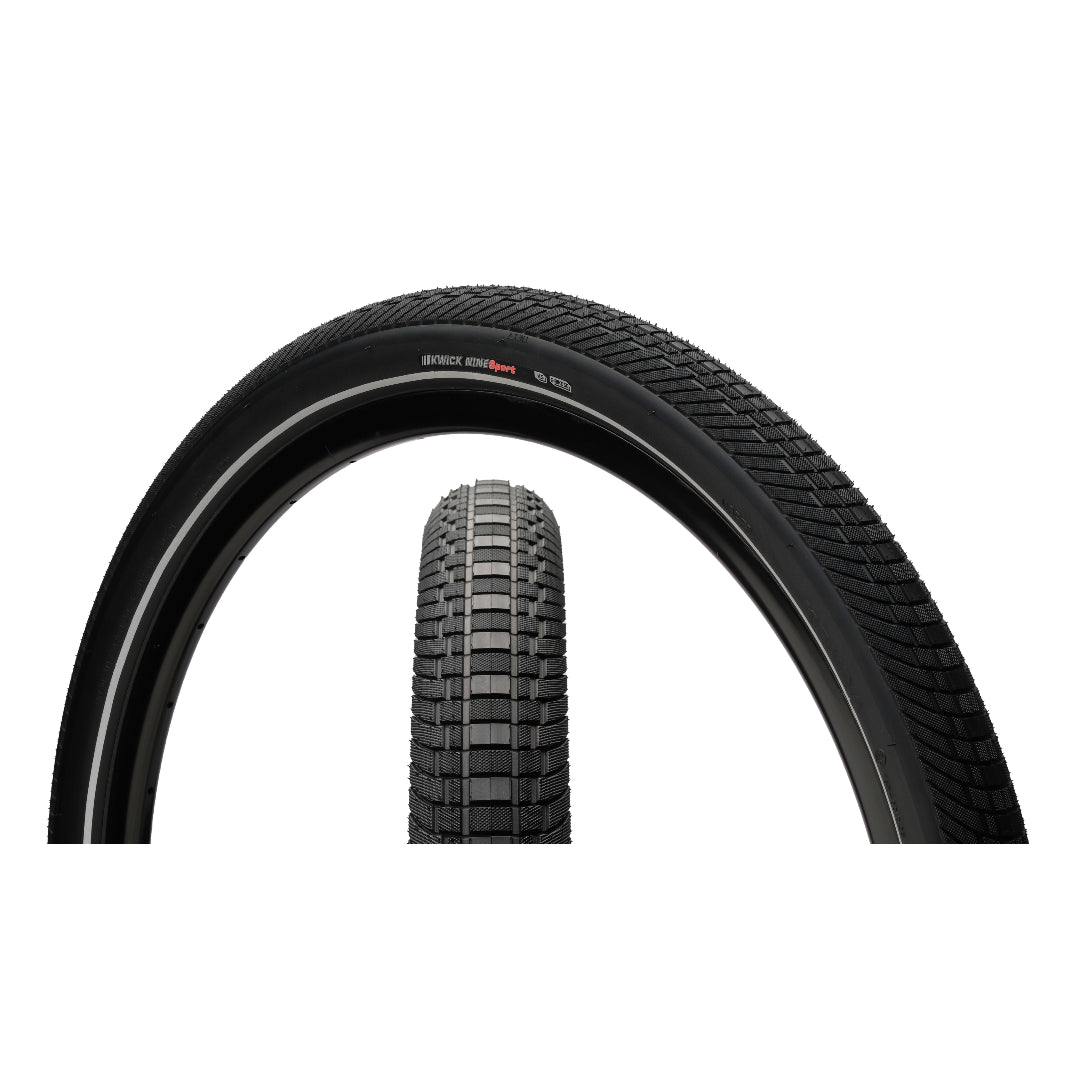
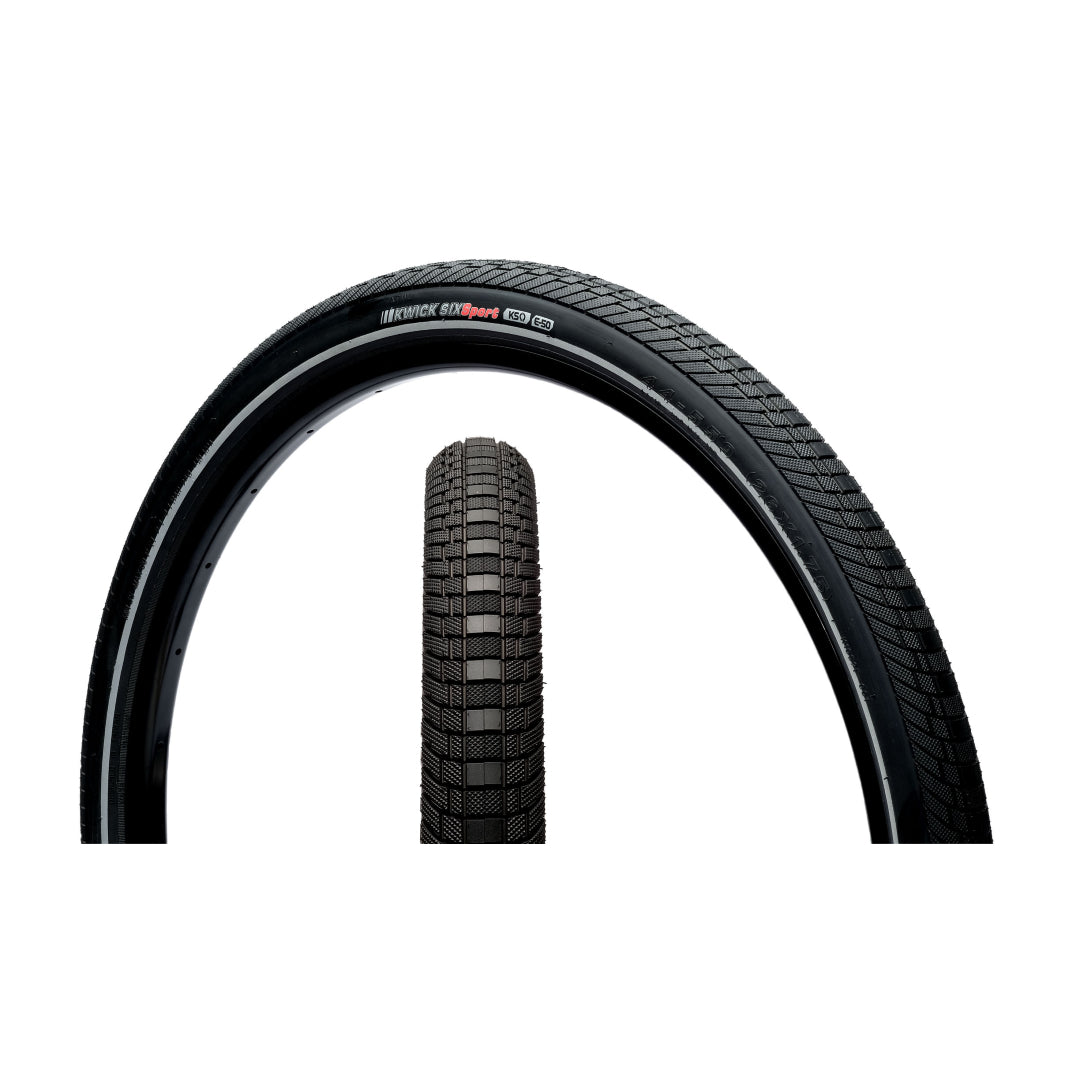
A stripe of reflective tape on the tire’s sidewall generates better visibility at night or during conditions where visibility is limited – an important plus for the rider’s safety.
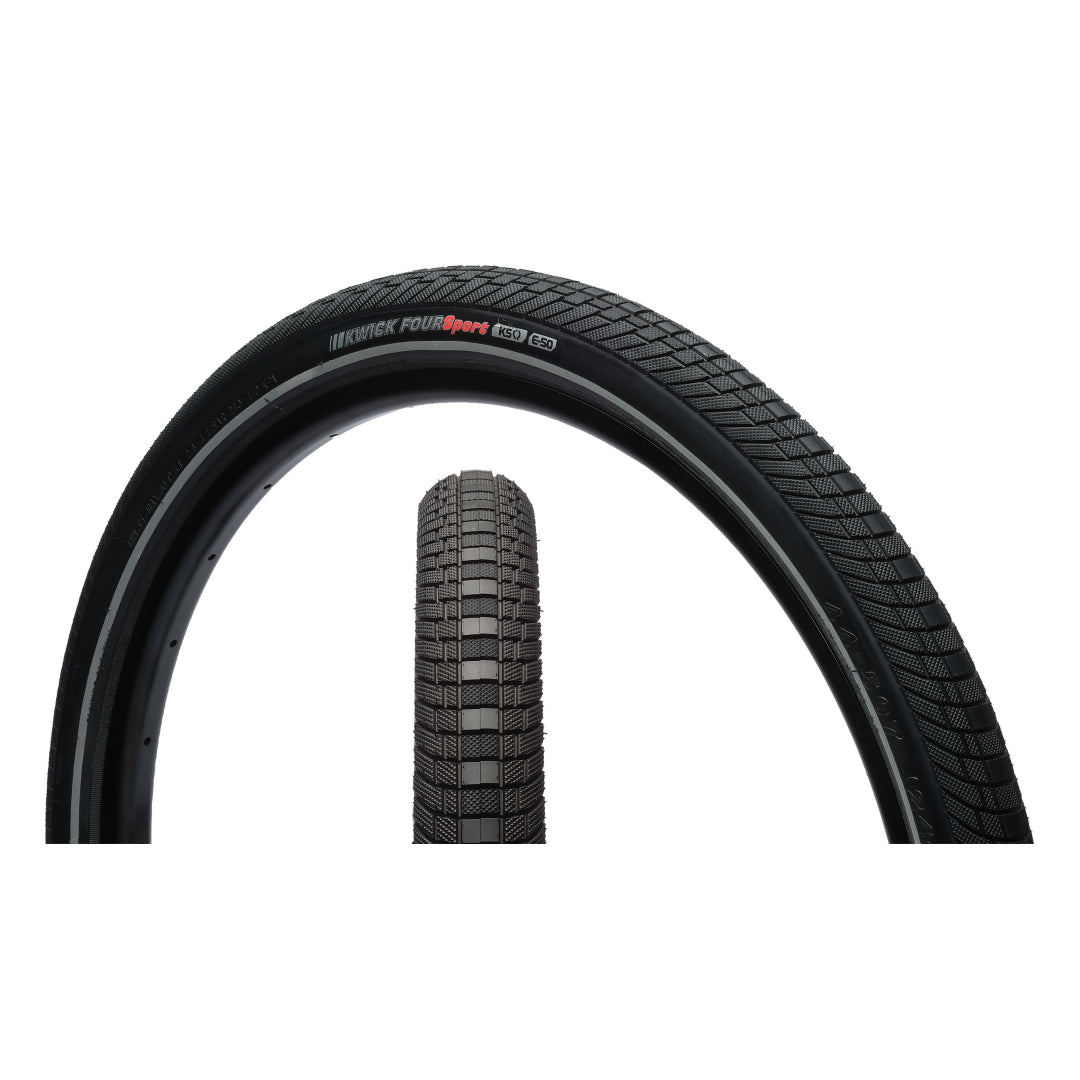
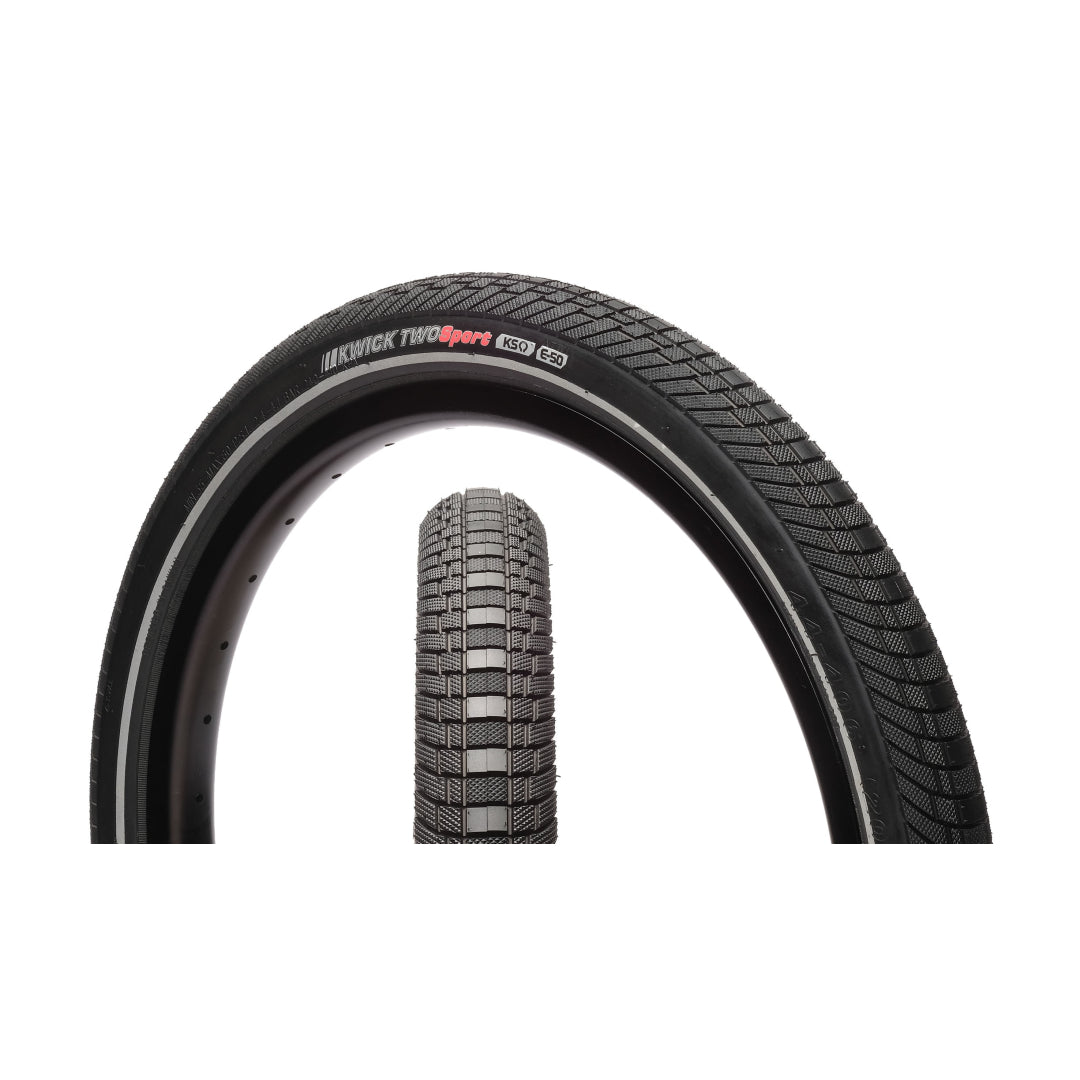
Kenda Kwick Series mega sized tires bring fun to the streets. The smooth and versatile tread design lets you travel effortlessly through the city. Available from 24” to 29”.
A layer of light, flexible rubber containing aramid and ceramic particles for increased puncture resistance. Designed to prevent punctures and increase tire life. Intended use: Commuting, city
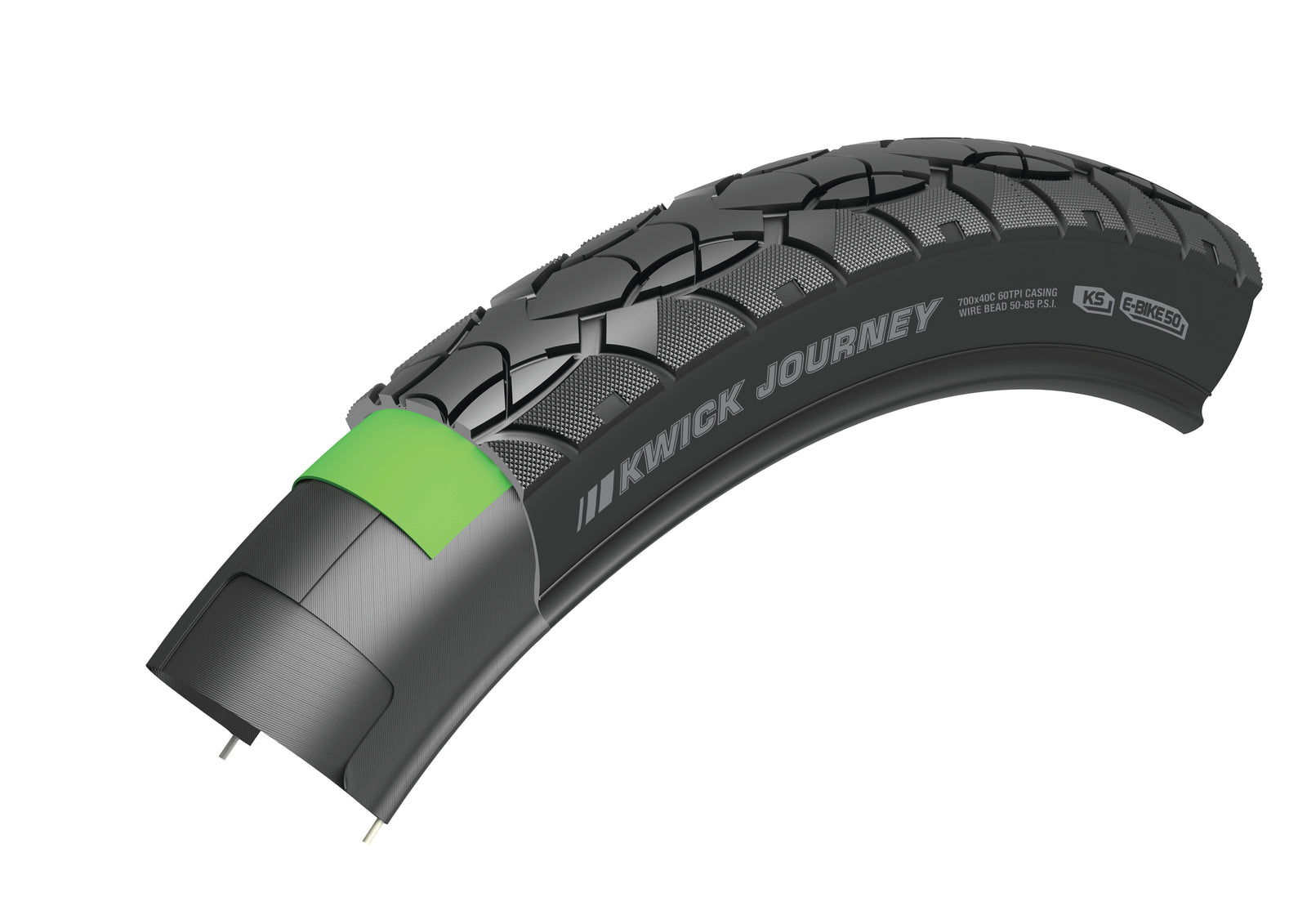

Certified for e-bikes up to 50 km/h Indicates that the tire is ECE-R75 certified and therefore approved for use on e-bikes with maximum speeds of 50 km per hour.

Approved for e-bikes with a speed rating of 25km/h.



Cargo e-bike tires are built to handle heavier loads, higher speeds, and stronger braking forces. They usually have reinforced casings, puncture protection, and higher load ratings than standard commuter bike tires. This matters because cargo e-bikes often carry groceries, passengers, or equipment daily.
For most city commuting, tires between 35 mm and 50 mm balance comfort, efficiency, and grip. Cargo e-bikes commonly use wider tires—2.20 to 2.40 inches—to improve stability and absorb road vibration, especially when carrying weight.
Yes. Urban streets often contain glass, metal debris, potholes, and construction hazards. Tires with reinforced belts or thicker tread layers significantly reduce flats and downtime, which is especially valuable for daily commuters and delivery riders.
The ideal pressure depends on rider weight, cargo load, tire width, and terrain. Heavier loads generally require higher pressure, but overinflation can reduce comfort and traction. Always stay within the manufacturer’s recommended PSI range printed on the tire sidewall.
Replace tires when the tread becomes worn, sidewalls crack, punctures become frequent, or handling feels unstable. Urban commuters may get 2,000–5,000 miles from a tire, while heavily loaded cargo e-bikes may wear tires faster due to weight and motor torque.
Often, yes. E-bike-specific tires are designed to tolerate higher sustained speeds and increased torque from electric motors. Many are certified for e-bike use and feature stronger construction to improve durability and safety.
Not necessarily. Modern wider tires can roll efficiently at lower pressures while improving comfort and control. In real-world city riding—with stoplights, rough pavement, and turns—slightly wider tires can actually make commuting faster and less fatiguing.
Most urban and cargo bike riders prefer high-quality puncture-resistant tires with tubes for simplicity and reliability.Tubeless setups may reduce pinch flats and can self-seal small punctures through the use of liquid sealants inside the tire, making them seem attractive for commuters. However, they require more maintenance, tubeless tire setup knowledge, and often an air compressor is needed to install tires.
Smooth or lightly textured tread is usually ideal for pavement. Deep, aggressive tread creates extra rolling resistance without much benefit on roads. If you ride in frequent rain, look for siping or grooves that improve wet traction.
A practical commuting repair kit includes:
Cargo e-bike riders may also want a stronger portable pump and heavy-duty replacement tubes because larger tires can be harder to service roadside.